
593
World Hypertension Day is marked on May 17th every year. Hypertension or High Blood Pressure is a lifestyle disease which affects more than 30 per cent of the adult population worldwide. It is prevalent within all age groups, courtesy the unhealthy dietary patterns and increased stress levels.
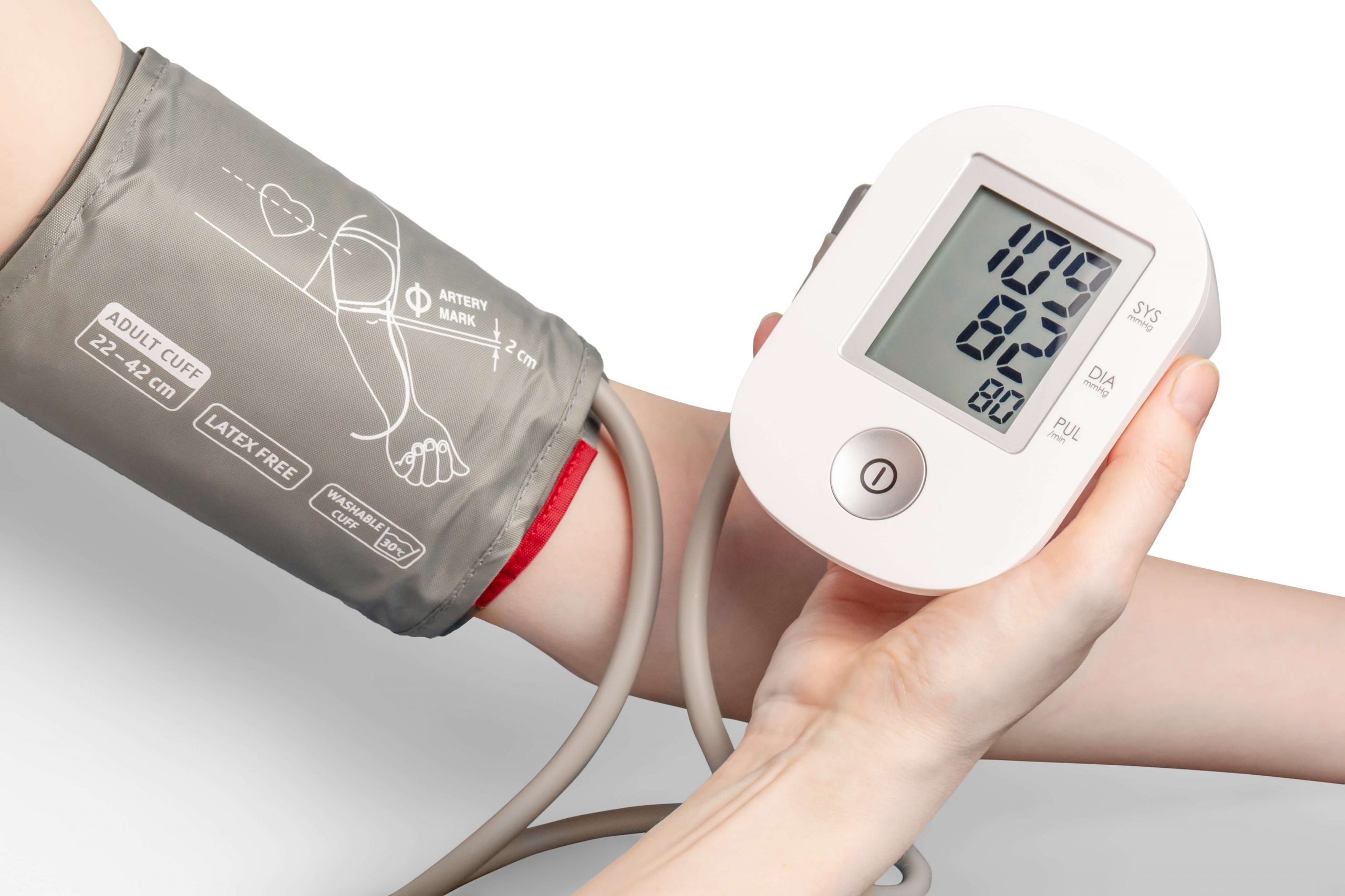
Your blood pressure measurement takes into account how much blood is passing through your blood vessels and the amount of resistance the blood meets while the heart is pumping.
Narrow arteries increase resistance. The narrower your arteries are, the higher your blood pressure will be. Over the long term, increased pressure can cause health issues, including heart disease.
Early detection is important. Regular blood pressure readings can help you and your doctor notice any changes.
History and significance
Launched on May 14, 2005, The World Hypertension League has been dedicating May 17 of every year as World Hypertension Day ever since 2006. While the inaugural theme in 2005 was ‘Awareness of high blood pressure’, in 2006 it was ‘Treat to goal’ and through different themes each year, the WHL intends to not only raise awareness about hypertension but also of its factors and prevention methods since it affects more than 30 percent of the adult population worldwide which accounts for more than one billion people around the world.
Risk Factors for Blood Pressure
Modifiable risk factors include unhealthy diets (excessive salt consumption, a diet high in saturated fat and trans fats, low intake of fruits and vegetables). Lack of physical inactivity, consumption of tobacco and alcohol, and being overweight..
Non-modifiable risk factors include a family history of hypertension, age over 65 years and co-existing diseases such as diabetes or kidney disease.

