
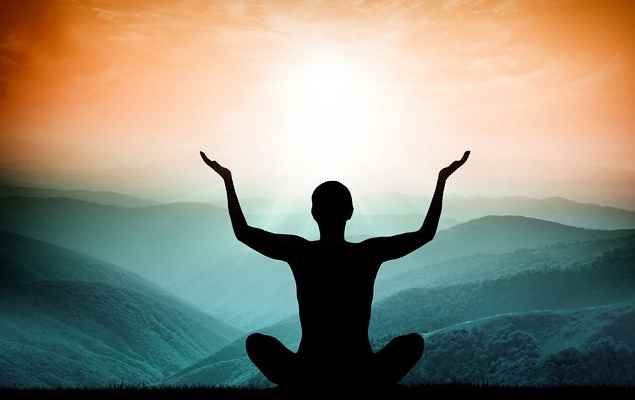
Yoga is not just about complicated postures. Many people who are beginners get scared after seeing difficult poses of headstand, backbends, a full split or difficult Pranayamas.
Yoga is a way of life. It is about being mindfull of everything that we do in our life and not just about what you do on the mat. So, if you can’t do difficult postures or are not flexible enough or are suffering from some ailment; you can still be a good Yoga practitioner.
There are a few things very basic which you need to understand as a Yoga Practioner. You have to go slow and steady and learn the exact breathing techniques. It is all about understanding the right breathing technique – Inhale, Exhale and hold the breath.
Here are a few tips if you are new to Yoga.
Stick to the Basic Asanas
Go step by step. Stick to the basic 25 asanas and around five Pranayamas. You will take at least 2 months to master it.
Be Disciplined
Stick to a routine. Getting up early, having a yogic diet with fruits and vegetables and mindfulness will do the trick.
Moderation
Moderation can be followed in all aspects of life, such as diet, speech, exercise, possessions, and everything else. The opposite of moderation would be either overindulgence which is harmful. This however doesn’t mean that we need to completely deny ourselves what we like or suppress our needs. Moderation keeps you away from extremes and therefore is a very sustainable strategy.
How long should you hold an Asana
You should feel recharged and refreshed after your Yoga practice. Hold the yoga pose till as long as it is comfortable for you. If you feel pain or extreme discomfort, then slowly come out of the pose. Listen to your body. Don’t be too lazy as you practice, but apply your mind and heart to have a rewarding practice.
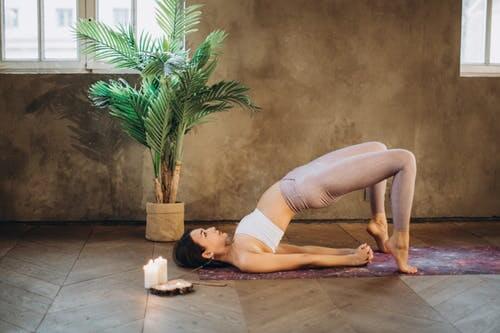
Do Repetitions
The key to perfect an asana is to do repetitions. If you are a beginner then you should do two or three rounds of each asana. And count three breaths during one round.
Pranadharna
Prana is the life force and Dharna is concentration or meditation. When you get into an asana, close your eyes, focus your attention on the breath and feel the deep abdominal breathing. Focus your attention on your breath and also in between our eyes, on the forehead where our soul resides.
The aim is to reach thoughtlessness at least for a few seconds.
As you progress further, you can hold postures for a more extended period. Everybody’s body is different and that’s why everyone’s yoga practice will look different.
Mindfulness
Mindfulness refers to present moment awareness. It is a very powerful and well-researched practice that can change the very structure of our brain. Mindfulness meditation makes us more rational, less impulsive, and even increases our grey matter. The good thing is mindfulness can be practiced anytime during the day and not just while you’re meditating.
You can be mindful when you’re eating, when you’re brushing your teeth, when driving, and so on. All you have to do is become completely aware of the activity you’re doing by observing it in full detail.
If you’ve done a yoga class, you’ve undoubtedly experienced mindfulness. Yoga is a great mindfulness practice because all postures are done with breath awareness.
Even in Suryanamaskars, you follow a specific breathing pattern. Each movement or transition is accompanied by an instruction to either inhale, exhale or hold the breath.
There are some balancing postures like Tadasana, Natrajasana and Vrikhasana where you need to focus your mind and be aware to maintain the balance.
When you hold a difficult single-leg balance like Natrajasana, you automatically become more mindful that you would lose your balance without awareness. In this way, yoga trains you to become aware of what you’re doing with the help of the breath or the difficult nature of posture.
Managing your Emotions
Try doing a single leg balance when very angry or emotional, and you’ll likely have some trouble. In extreme circumstances, our inner emotional balance gets disturbed, reflecting in our physical state. In yoga, you learn to bring your balance back by taking some deep breaths or doing some gentle kriyas to re-center the body and mind.

