
Home HealthDiseases May 17 World Hypertension Day -Tips to control it

May 17 World Hypertension Day -Tips to control it

by Yog Fit
World Hypertension Day
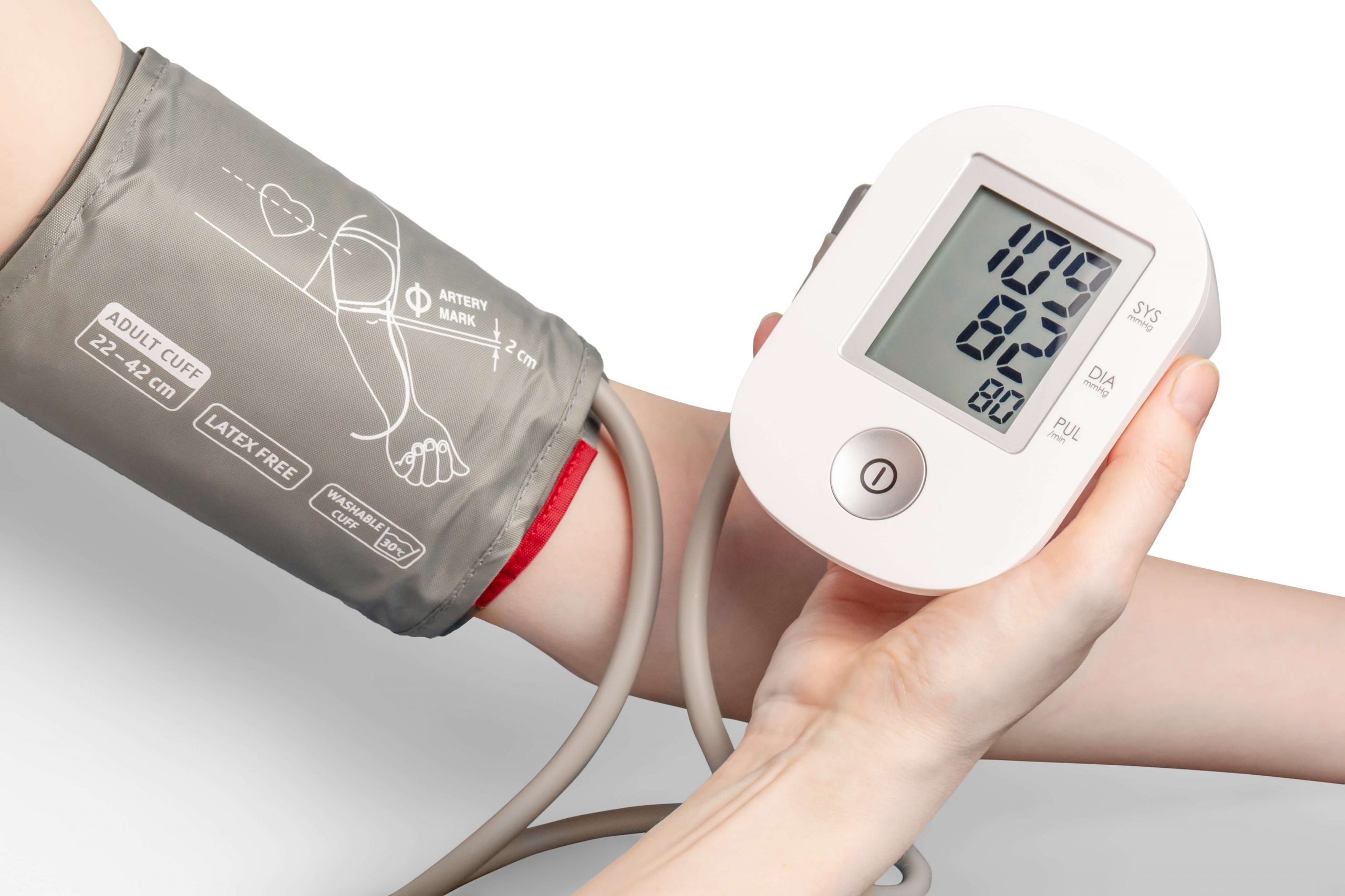
May 17, is World Hypertension Day. Commonly called as High Blood Pressure, Hypertension is also called the `silent killer.’ This is simply because a vast number of hypertensive’s are asymptomatic i.e. show no prominent symptoms.
On this day, the idea is to measure your blood pressure and keep it under check. Research shows that every individual is at risk. The risk factors for developing hypertension are: obesity, unhealthy diet rich in salts/processed food, sedentary lifestyle, family history, smoking, diabetes and poor sleep hygiene.
In today’s stressful times even young adults suffer hypertension.
Some of the common symptoms are headache, giddiness, breathlessness, and chest heaviness. Untreated hypertension can affects vision, heart, kidneys and brain as it pertains to the pressure in the blood vessels.
It is often said that once you start your medication; you will have to continue it for life.
But if you make a few healthy changes in your lifestyle then you can control your blood pressure and it may also bring down the number of medicines you intake.
Lose some weight
Your weight affects your blood pressure significantly making it crucial to maintain a healthy weight.
For effective weight loss and long lasting benefits, it is advised to take small steps.
 Lower your sodium intake
Cut back on salt intake and just watch your blood pressure fall.

Curbing sodium from your diet is the key to maintaining your blood pressure at a healthy level.

Tips to reduce sodium intake

If you can control your salt intake it can help you control blood pressure.  Cook rice, pasta, dals  and without salt. Avoid instant or flavored rice, or cereal mixes, which usually have added salt.
Avoid packaged canned food which can have a lot of sodium content.
Use fresh poultry, fish, and lean meat, rather than canned or processed types.
Cut back on frozen dinners, pizza, packaged mixes, canned soups or broths, and salad dressings — these often have a lot of sodium.
Exercise
Thirty minutes of regular exercise boosts your energy, and is a great way to ease stress and feel better.
An active mind and body is a great indicator of a healthy lifestyle.
Less stress also means your blood pressure is under check.

 Cut down on alcohol

While moderate consumption of alcohol may or may not gradually harm your health, binge drinking can be a major cause of hypertension in young adults.
In order to maintain blood pressure at a healthy level, you need to limit alcohol consumption to no more than two drinks a day, if you are a male and to only a drink, if you are a female.
Sedentary lifestyle, poor and low nutrition diet, obesity, smoking, constant stress, and other factors can all contribute to high blood pressure.
Age is a significant risk factor, though it is now not uncommon to see young adults with hypertension.

Diet for Hypertension

To control BP it is recommended to have a diet rich in potassium, magnesium, and calcium including fruits, vegetables, whole grains, fish, poultry, nuts, legumes, and low fat dairy.
  • Salt intake should be about 2/3 teaspoons of salt a day.
  • Fruits, vegetables, whole grains, fish, poultry, nuts, legumes, and low fat dairy rich in potassium, magnesium, and calcium should be included in the plan.
  • Alcohol and caffeine consumption should be moderate.

How can yoga help someone with hypertension?

Yoga positions require you to breathe in a specific manner, which can help you control your blood pressure and reduce stress levels in your body.
Yoga asanas require you to breathe deeply and consciously while synchronizing your body motions.
Stress and hypertension are caused by a lack of sleep, and yoga can assist to regulate sleep habits and patterns.
Yoga practice combined with a healthy, nutritious diet will help you maintain body weight and battle obesity.
Yoga infuses the body and psyche with positive energy making you feel better about yourself.
Here are 10 yoga poses to fight hypertension. Practice them daily for maximum benefit.
Setubandhasan
Balasana
Vajrasana
Adho Mukho Swanasana
Baddha Konasana
Janu Shirsana
Halasana
Bhujankasana
Shavasana
How to diagnose hypertension
High BP can be diagnosed only after a physical examination and check up.
Therein lies the need for routine screening for hypertension in all adults, young or old, symptomatic or asymptomatic individuals.
These days, with easy accessibility to the electronic BP measuring devices, it is not uncommon for individuals to self-diagnose high BP and seek medical care thereafter.
Test and treatment
According to Dr Shashank Ghosh, from Holy Family Hospital, “Majority of hypertensive patients don’t manifest symptoms early. By the time hypertension is diagnosed, patients may already have evidence of end organ damage.
That is why all newly diagnosed patients require a thorough assessment of kidney function in the form of kidney function test and a sonography if needed.
Also, in 5% of all hypertensive cases, high BP is secondary to underlying pre-existing kidney disease or certain hormonal imbalances.
These include exercise, dietary changes, weight loss, sleep hygiene, distressing measures etc.
Minimum 30 to 45 minutes of any aerobic activity like brisk walking/jogging/swimming is an absolute must for all individuals.
BP is known to come down with sustained exercise. Diet rich in fruits, vegetables, nuts, fiber, fish and low on salt is of proven value in bringing the BP down.
For every kg of weight loss, BP comes down by 1-2 mm Hg. All overweight/obese individuals must work on losing weight. Need to avoid of smoking and excessive alcohol cannot be overemphasized.
Timely medication is the key
Your blood pressure needs to be below 140/90 or 130/80.
When BP readings are very high to begin with, oral medications are indicated for prompt BP control.
These anti-hypertensive drugs are safe and effective. Also, any evidence of end organ damage to kidney, heart, eye or brain warrants prompt medications for BP control.
 Follow up with your expert
Your blood pressure needs to be below 140/90 or 130/80.
Patients should have a regular follow up with the clinician for effective BP control and also for monitoring for any possible side effects.
Periodic assessment is needed for diagnosing any signs of hypertensive complications.
Mild hypertensive can expect to bring down the BP significantly by aggressive lifestyle modifications and can come off medications.
Obese individuals after weight loss can accept significant drop in BP.

Related Articles

Leave a Comment
