

HIghlights- Weight Loss and Diabetes* Diabetes and Obesity * Study By UK BioBank *Understanding Diabetes
A late-breaking research has found out that diabetes can be prevented or even be reversed by losing weight. The research was presented on Monday at ESC Congress 2020.
In 2019, approximately 463 million people worldwide had diabetes, of which the vast majority (around 90 per cent) had Type 2 diabetes. It doubles the risk of coronary heart disease, stroke and death from cardiovascular complexities. Obesity is the main modifiable cause of Type 2 diabetes, while genetic make-up may also identify individuals with a greater likelihood of developing the condition.
Diabetes and Obesity
As per the American Diabetes Association obesity is a serious worldwide problem and is associated with the risk of developing diabetes. Today, more than 1.1 billion adults worldwide are overweight, and 312 million of them are obese.
In the past 20 years, the rates of obesity have tripled in developing countries that have adopted a Western lifestyle, with the Middle East, Pacific Islands, Southeast Asia, India, and China facing the greatest increase. Consequently, the number of people with diabetes in these countries is expected to increase from 84 million in 2000 to 228 million by 2030.
India is the diabetes capital of the world. Over 41 million Indians have diabetes, and this number is expected to increase to 70 million by 2025. The increase in the number of cases is mainly due to genes and environmental and lifestyle changes, like urbanization, a poor diet, and a sedentary lifestyle.
While not much can be done about your genes, changing your diet and lifestyle can help manage and prevent diabetes
Preventing Obesity to slow down Diabetes
Preventing obesity is a high priority for the prevention of diabetes and other chronic diseases. According to some obesity researchers, it may not be possible to decrease the current numbers of overweight and obese people in the United States, but we need to try to slow or prevent the increase that has been occurring at an alarming rate. The hope is that slowing the rising prevalence of obesity will also slow the diabetes epidemic.
“Because we are born with our genes, it might be possible to pinpoint early in life who has a high chance of developing diabetes during their lifetime,” said principal investigator Professor Brian Ference of the University of Cambridge, UK, and the University of Milan, Italy.
“We conducted this study to find out if combining inherited risk with current body mass index (BMI) could identify people at the highest risk of developing diabetes. Prevention efforts could then concentrate on these individuals,” Ference.
The Study was conducted by UK Biobank
The study included 445,765 participants of the UK Biobank. The average age was 57.2 years and 54 per cent were women. Inherited risk of diabetes was assessed using 6.9 million genes. Height and weight were measured at enrolment to calculate BMI in kg/m2. Participants were divided into five groups according to the GC of diabetes. They were also divided into five groups according to BMI.
Participants were followed-up until an average age of 65.2 years. During that period, 31,298 developed Type 2 diabetes.
Those in the highest BMI group (average 34.5 kg/m2) had an 11-fold increased risk of diabetes compared to participants in the lowest BMI group (average 21.7 kg/m2). The highest BMI group had a greater likelihood of developing diabetes than all other BMI groups, regardless of genetic risk.
“The findings indicate that BMI is a much more powerful risk factor for diabetes that genetic predisposition,” said Professor Ference.
The investigators then used statistical methods to estimate whether the likelihood of diabetes in people with a high BMI would be even greater if they were overweight for a long period of time. They found that the duration of elevated BMI did not have an impact on the risk of diabetes.
Professor Ference said: “This suggests that when people cross a certain BMI threshold, their chances of diabetes go up and stay at that same high-risk level regardless of how long they are overweight.”
He noted that the threshold is likely different for each person and would be the BMI at which they start to develop abnormal blood sugar levels. Professor Ference said: “The findings indicate that most cases of diabetes could be avoided by keeping BMI below the cut-off which triggers abnormal blood sugar.
This means that to prevent diabetes, both BMI and blood sugar should be assessed regularly. Efforts to lose weight are critical when a person starts to develop blood sugar problems.”
“It may also be possible to reverse diabetes by losing weight in the early stages before permanent damage occurs,” said Professor Ference.
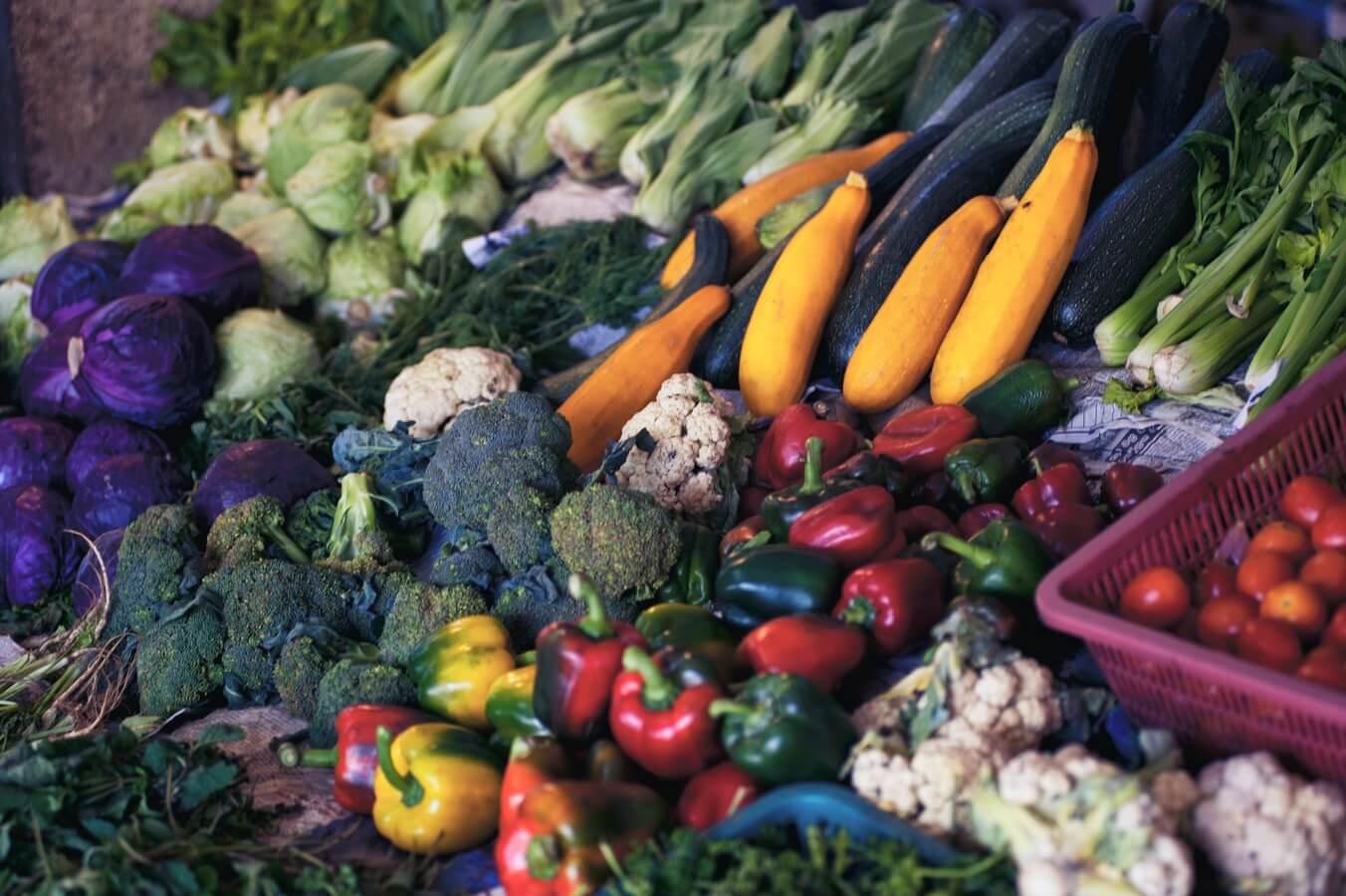
Understanding Diabetes
Diabetes is a lifestyle disorder where one’s blood glucose or blood sugar levels are too high. Some of the symptoms of the disorder include increased thirst, urination, hunger, fatigue, blurred vision, and unexplained weight loss. The disorder and its symptoms can be brought under control by following a well-planned diabetic diet chart.
There are two types of diabetes – type 1 diabetes and type 2 diabetes. The former is more common among children, and in this case, the pancreas does not produce any insulin. The latter is considered the milder type of diabetes since the pancreas produces at least some insulin but it is normally not enough.
While it is a dangerous disease, understanding how to control diabetes is crucial. Following the right diet, and taking good care of your body plays a key role in controlling the disorder.
The management of diabetes needs a holistic approach that involves lifestyle management, along with good glycemic control and balanced nutrition to manage blood sugar levels. The right food choices often help manage blood sugar levels, improve blood cholesterol, and keep you in a healthy weight range.
It is always recommended that we should speak to a nutritionist and choose the right foods to control blood glucose levels.
Picture Courtsey
https://unsplash.com/photos/GBVRyE4PRLk By Kate
https://unsplash.com/@freestockpro

