
Home Fitness How to do Fitness Assessment tests at Home?
How to do Fitness Assessment tests at Home?

by Sonia Singh
International No Diet Day
So, you have decided to embark on your health and fitness journey. It makes sense to first decide what your goals are. It is not always about weight loss; it could just be about getting up early, doing your Yoga and becoming a mindful eater.
It could just be about controlling your Blood Pressure, Cholesterol and cutting your fat percentage. Your goal might just be to get into the old dress, or to lose 10 kgs or lose inches. For many it might be to get rid of backache and knee pain. Or for some it is just about losing belly fat.
There can be some simple fitness assessment tests which help you guide and stay motivated.
Blood Test. If you are above 30 and have not been regular with exercise then start with a blood test. This will give you a fair idea of whether your sugar levels, vitamins and cholestrol are in control. It is better to also consult your doctor with the tests to take proper medication.

Once you start your exercise regime you can check your weight every week, and do your body measurements every fifteen days. You can check your BMI every month maybe.
Let us have a look at basic fitness tests which can be easily done at home.

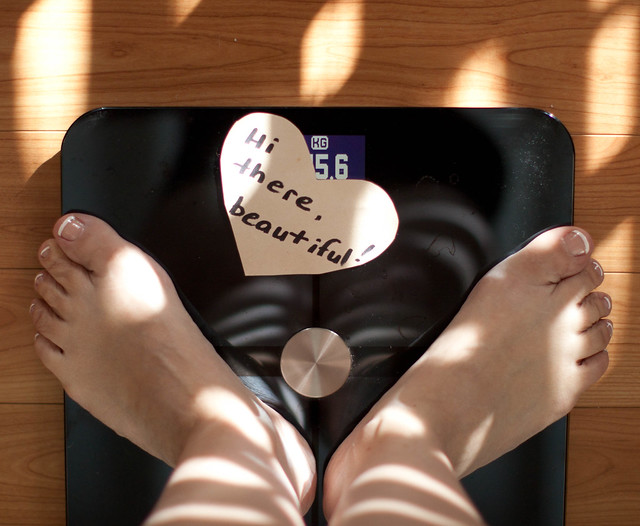
Weight: Check your weight in the morning on an empty stomach before you have your breakfast. The weight can be then co-related to your height to know whether it’s in the normal range or higher/less. Also, remember that your weight and fat percentage are two different things.
Waist-hip ratio: This helps you with obesity assessment, whether you are pear-shaped or apple-shaped. The measurement needs to be taken at waist (narrowest part) and hips (widest part over buttocks) and take a ratio of waist: hips. Waist hip ratio should be less than 1.00 for males and less than 0.85 for females.

Cardiorespiratory
Six-minute walk test: A walking test which helps you gauge your cardiorespiratory capacity. Nowadays it is very commonly asked for by doctors post Covid-19 recovery. The person is supposed to walk for 6 minutes and then count the distance covered in meters. The normative value for healthy subjects is generally 400-700 meters.

Functional Reach Test: It is a clinical fitness test used to assess the dynamic balance of a person in simple tasks. For example, reaching out for a flask at a distance, catching a ball, sitting down or squatting.

Endurance or Strength Test
In your workouts make sure you include some strength building exercises. This includes push ups, Squats, Lunges and light weights. It is not necessary that you need to hit the gym for this but you can work against your body weight.

Endurance testing: This can be done by various exercises depending on which muscle group you wish to target.
Lower body squats and lunges: Ideally, 12-15 reps and lunges can be considered normal if you are exercising for the first time. Or calculate how many you can do in 60 seconds before you get fatigued.

Upper body: Pushups can be done full or half on knees until you get fatigued.
Core strength: Plank can be used to check or measure core strength. Maintain the position until you get fatigued.

Related Articles

Leave a Comment
